

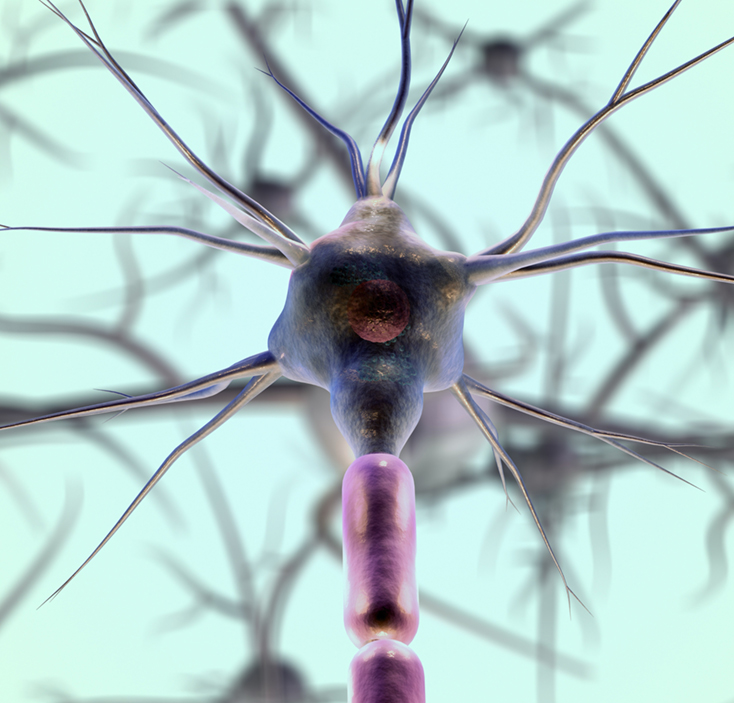
What are Neurosteroids? They are steroids synthesized within the brain and modulate neuronal excitability. Coined by the French physiologist Etienne Baulieu, it is now used to refer to steroids that are synthesized in the brain. Circulating steroid hormones serve as precursors for the creation of neurosteroids. These may be produced locally in the hippocampus or other brain structures. Studies over the last two decades have shown that progesterone and deoxycorticosterone serve as precursors for the endogenous neurosteroids Allopregnanolone and THDOC. Neurosteroids are a little different then the steroids we think of as those that regulate gene transcription. These “other” hormones modulate the brain through mostly GABA-A Receptors. Though predominantly not related to genomic actions, chronic effects of neurosteriods could be due to classical intracellular steroid receptor interaction.
Let’s dive into Allopregnanolone.
Allopregnanolone, a progesterone metabolite, acts as a potent allosteric modulator of the GABA-A Receptor.
Allopregnanolone presents low bioavailability and extensive hepatic metabolism, limiting its use as a drug. Therefore, synthetic analogues or a different therapeutic strategy to increase levels have been proposed.
Progesterone comprises a physiological regulator of reproduction but also exerts important effects in the nervous system.
In the nervous system, progesterone is actively converted to dihydroprogesterone (DHP) and then into Allpregnanolone and Isoallopregnanolone. They are responsible for the metabolism of neuroactive steroids.
These steroids may be metabolized in the cortical, hippocampal & olfactory bulb glutamatergic nuerones and in some output neurones of the amygdala & thalamus. Some may get metabolized in the forebrain to the brain stem & cerebellum.
There may be a role connected to the gut-brain-axis considering local steroidogensis also occurs in the adult male rat colon. Levels of Allopregnanolone detected in this tissue are significantly higher than those present in the plasma.
The neuroactive steroid is also important during brain development for adolescent and adult behavior and for nervous system maturation. Some effects related to the dorsal hippocampus, related to expression of GABA receptors, that can persist into adult age and explain reported behavioral disturbances.
Several clinical and experimental observations have clearly shown that the plasma and/or CSF levels of Allopregnanolone are altered in stress-related disorders and psychiatric diseases, such as anxiety-like behavior and depression, post-partum depression and post-partum anxiety.
Decrease in the plasma levels of Allopregnanolone has been observed in association with increased depression & anxiety in some women.
Levels of Allopregnanolone are decreased in the male but not female brain mouse model of autism spectrum disorder-like behavior.
Women with premenstrual disphoric disorder show an altered sensitivity to this neuroactive steroid over the menstrual cycle compared to healthy controls.
Allopregnanolone exerts protective effects mainly by interaction with the GABA A receptor.
Deeper investigation of the mechanisms involved in the protective effects of neuroactive steroids in general and allopregnanolone in particular is needed.
[This is for educational purposes only and not to replace medical advice given by your healthcare professional.]
References :
1. Reddy, Doodipala Samba. “Neurosteroids: endogenous role in the human brain and therapeutic potentials.” Progress in brain research vol. 186 (2010): 113-37. doi:10.1016/B978-0-444-53630-3.00008-7
2. Diviccaro, Silvia et al. “Allopregnanolone: An overview on its synthesis and effects.” Journal of neuroendocrinologyvol. 34,2 (2022): e12996. https://doi.org/10.1111/jne.12996
3. https://www.hopkinsmedicine.org/health/wellness-and-prevention/can-menopause-cause-depression


